

AI Shopping Tools: Why Buyers Convert 3x Faster
An Amazon executive says shoppers using AI tools are 3x more likely to buy. Here's why AI shopping assistants convert so well, and how to use them.

A senior Amazon executive recently shared a striking number: shoppers who use generative AI-powered shopping tools are three times more likely to complete a purchase than those who don't. If you're wondering why AI shopping tools convert so much better, the reasons come down to how they remove friction from decision-making, not just how they answer questions.
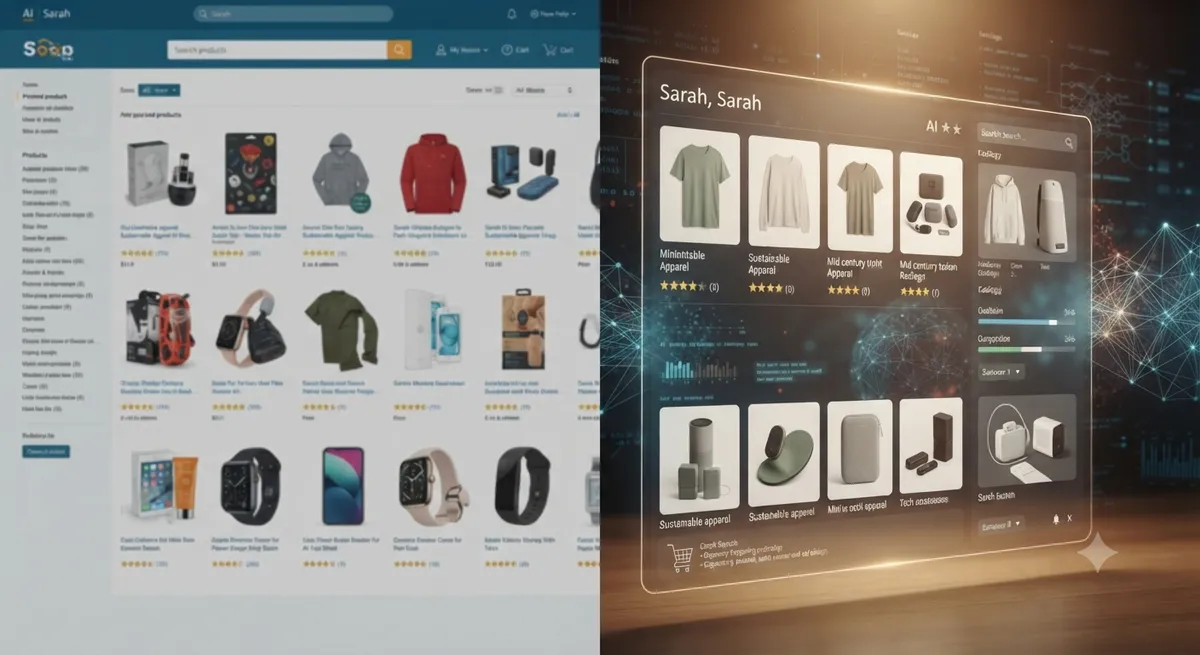
What the Data Actually Shows
According to Amazon's director of shopping for India and emerging markets, more than 300 million customers interacted with the company's AI-powered shopping experiences last year, with usage in some markets growing threefold year-over-year. Roughly 30% of users return to these tools repeatedly, averaging around three queries per shopping session — a strong signal that the tools are solving a real problem rather than being a novelty feature.
Separately, industry data around recent shopping events found that visitors arriving at retail sites from AI chatbots converted at meaningfully higher rates than those coming from search, email, or social media — a reversal from earlier data where AI-referred shoppers actually converted worse. That shift suggests AI shopping assistants have crossed a real quality threshold recently, rather than just growing in raw usage.
Why AI Shopping Tools Convert So Well
A few specific capabilities explain the jump in conversion rates:
- Product comparison at scale — instead of manually opening a dozen tabs, an AI assistant can summarize differences between similar products in seconds.
- Price history and timing insights — some tools track and surface historical pricing, helping buyers decide whether now is actually a good time to buy.
- Visual search — snapping a photo of an item you like and finding similar or matching products removes the need to describe what you want in words.
- Personalized recommendations grounded in shopping history — rather than generic suggestions, these tools reference what a shopper has actually browsed or purchased before.
First-Party vs Third-Party AI Shopping Agents
Interestingly, major retailers have taken different approaches here. Some platforms actively restrict third-party AI shopping agents from accessing their catalogs, instead investing heavily in their own first-party assistant — the reasoning being that an assistant with access to a shopper's actual history and preferences performs meaningfully better than a general-purpose agent working from limited external data. Other major retailers have taken the opposite approach, opening their catalogs to outside AI assistants and building their own tools in parallel.

What This Means If You're Shopping With AI Tools
If you regularly research purchases before buying, general AI assistants like ChatGPT or Gemini can help you compare products, understand technical specs, or draft a pros-and-cons list before committing — even outside a retailer's own built-in shopping assistant. For comparing which general assistant fits your research style best, see our ChatGPT AI vs free AI tools comparison.
What This Means If You Sell Online
For sellers and small business owners, this data point is a signal worth acting on: shoppers who engage with AI-assisted product discovery are meaningfully more likely to convert, which means product listings optimized for AI-readability (clear specs, structured comparisons, complete descriptions) may increasingly matter as much as traditional SEO. Our AI tools for marketers list and free AI tools for small business guide both cover tools that help with exactly this kind of listing and content optimization.
A Word of Caution on AI-Assisted Purchases
Higher conversion rates aren't automatically a good thing for the shopper — it's worth being deliberate about whether an AI assistant's recommendation is genuinely the best option for your needs versus simply the most conveniently surfaced one. Cross-checking a recommendation against independent reviews before a larger purchase remains good practice regardless of how confident the AI sounds.
Frequently Asked Questions
Why do AI shopping tools increase conversion rates?
They reduce the friction of comparing products, checking price history, and finding visually similar items — tasks that used to take much longer through manual browsing.
Are AI shopping assistants free to use?
Most major retailers' built-in AI shopping assistants are free for customers to use directly within the shopping app or website.
Should I trust AI shopping recommendations completely?
It's reasonable to use them as a starting point, but independently verifying reviews and specs for significant purchases is still worthwhile.
Do all retailers allow third-party AI shopping agents?
No, policies vary significantly — some restrict external AI agents from accessing their catalog while investing in their own first-party tools instead.
Final Thoughts
AI shopping tools have clearly moved past the experimental phase — a 3x conversion difference is a meaningful signal that these assistants are solving a genuine decision-making problem for buyers. Whether you're shopping or selling, it's worth understanding how these tools work. Explore more AI tools relevant to e-commerce and marketing in the full AI tools directory on AI List Stack.
Want to stay updated?
Get the latest AI tool reviews and news delivered to your inbox.